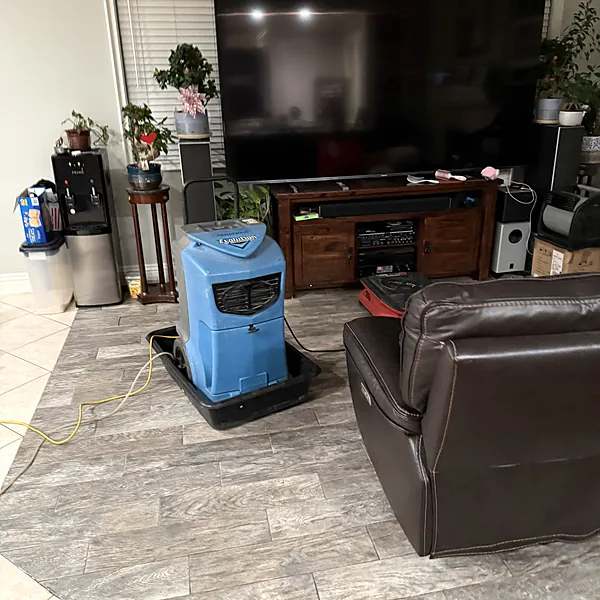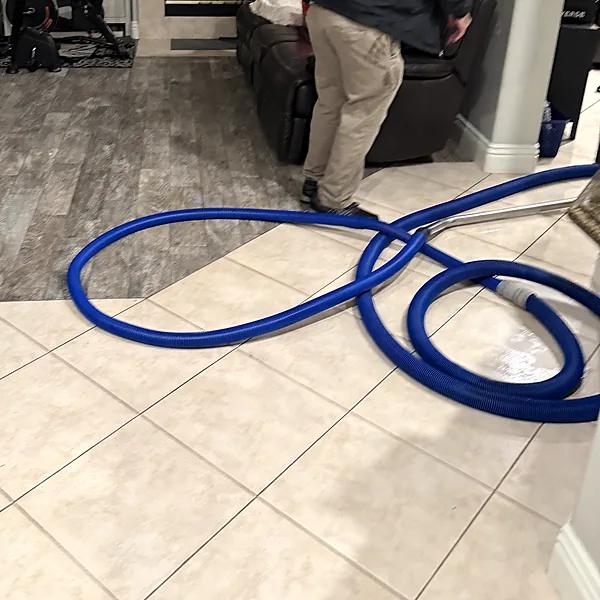
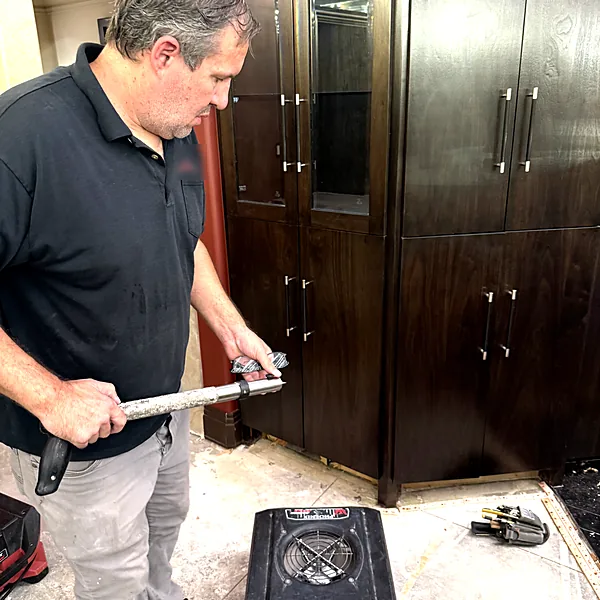
Removing Water-Damaged Flooring: How to Decide What Comes Out
Not every wet floor needs removal, and surface appearance can be misleading. Learn how water type, flooring construction, and moisture readings guide a careful decision.
Read Full ArticleEducational guidance on protecting your property, handling emergencies, and navigating the restoration process.
Guide dates and weekly groupings are retained archive labels, not independently verified original publication dates. The 14 archive guides include claim-specific sources and state their review limitations.
Not every wet floor needs removal, and surface appearance can be misleading. Learn how water type, flooring construction, and moisture readings guide a careful decision.
Read Full ArticleA practical response plan for facility teams: protect occupants, isolate hazards, document affected areas, and coordinate mitigation around essential operations.
Read Full ArticleEquipment rental can fit some small, clean-water situations, but machines do not identify hidden moisture or make an unsafe loss safe. Know when to call for an assessment.
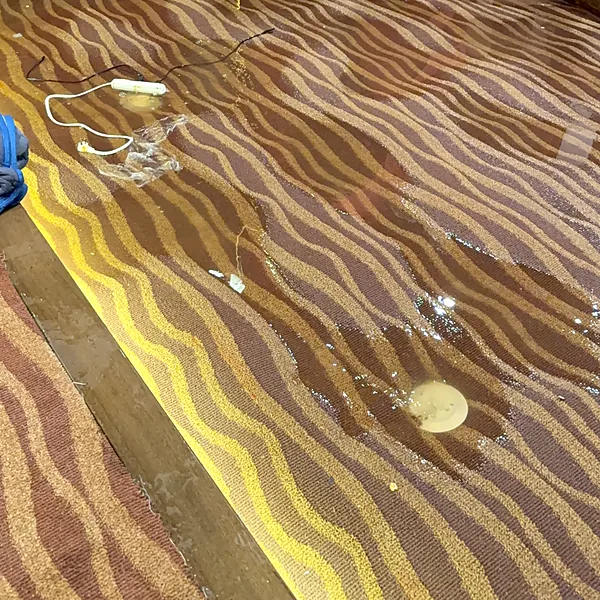
Read Full ArticleCarpet decisions depend on the water source, how long it stayed wet, the backing and pad, and what lies below. Use these practical safety and salvage factors.
Read Full ArticleCreate a clear record of water damage with dated photos, a room-by-room inventory, receipts, and notes—without delaying urgent safety or mitigation work.
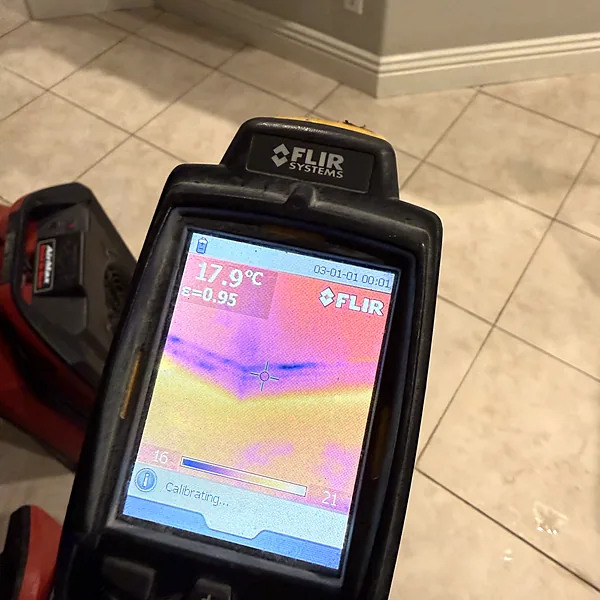
Read Full ArticleThermal cameras can help identify temperature patterns that merit investigation, but they do not see water directly. Learn how readings are verified and what to do next.
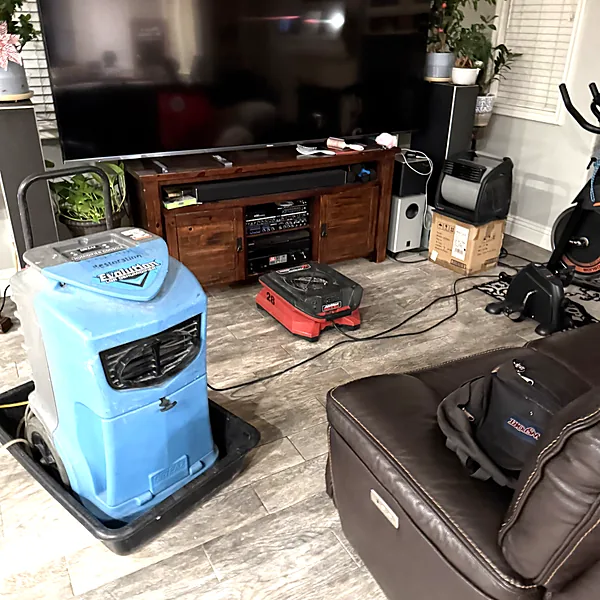
Read Full ArticleExtraction removes liquid water; structural drying addresses moisture retained in building materials. Learn why both stages may be needed and how progress is checked.
Read Full ArticleA practical first-day checklist for stopping a supply-line leak, protecting people and belongings, documenting conditions, and arranging appropriate drying.
Read Full ArticleA real Flood-Pro project photo from Cerritos, with practical context on why removing visible water is only the first step.
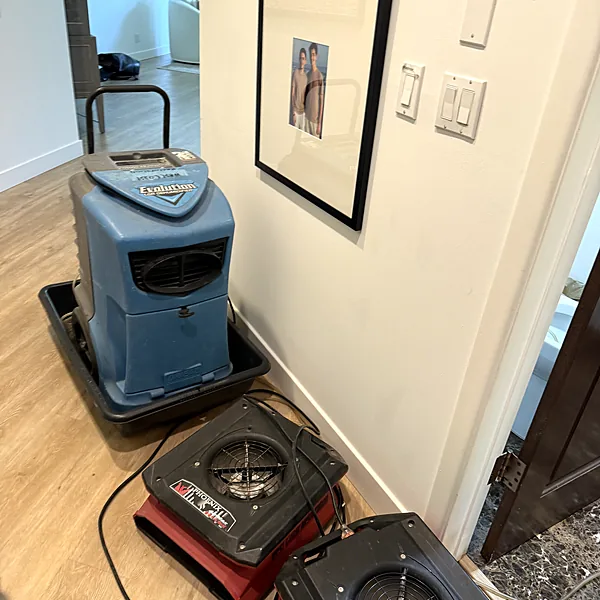
Read Full ArticleSee a Flood-Pro drying project in Newport Coast and learn how airflow, dehumidification, and moisture readings work together.
Read Full ArticleUnderstand how airflow and dehumidification work together and why moisture readings determine equipment placement and drying progress.
Read Full ArticleLearn when rental equipment may fit a small clean-water project and when contamination, concealed moisture, or safety concerns require professional restoration.
Read Full ArticleMoisture can remain inside walls and beneath flooring after the surface looks dry. Learn what to check and when professional drying is needed.
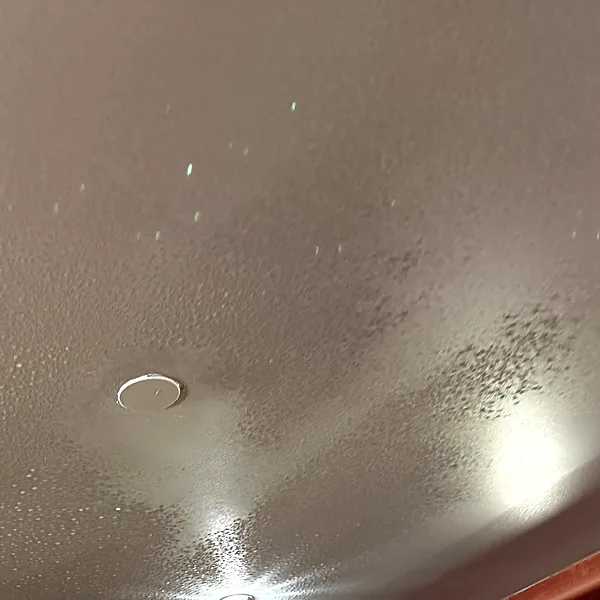
Read Full ArticleNot all water damage is equal. Discover why Category 3 'black water' from sewage backups requires specialized biohazard protocols and why DIY cleaning is dangerous.
Read Full ArticleHomes built on concrete slabs can be affected by slab leaks. Learn to recognize warning signs and why early inspection can help limit water damage.
Read Full ArticleThe first 24 hours after water damage are critical. Learn the exact steps you need to take to stay safe, minimize damage, and prepare for an insurance claim.
Read Full ArticleStart with the water-damage first-steps guide. Keep away from wet electrical equipment and unstable ceilings, and stop the water source only if safe. Reading a guide should not delay urgent safety help.
No. The articles provide general guidance. Water source, contamination, materials, and concealed moisture vary by property and require site-specific assessment.
No. They explain useful documentation and restoration questions. The terms of your policy and your insurer's decision determine coverage.
Open the locations directory for city-specific housing and property considerations, then follow the relevant restoration service guide. Call to confirm service availability at your address.