Condo Water Damage in Costa Mesa: Owner and HOA Checklist
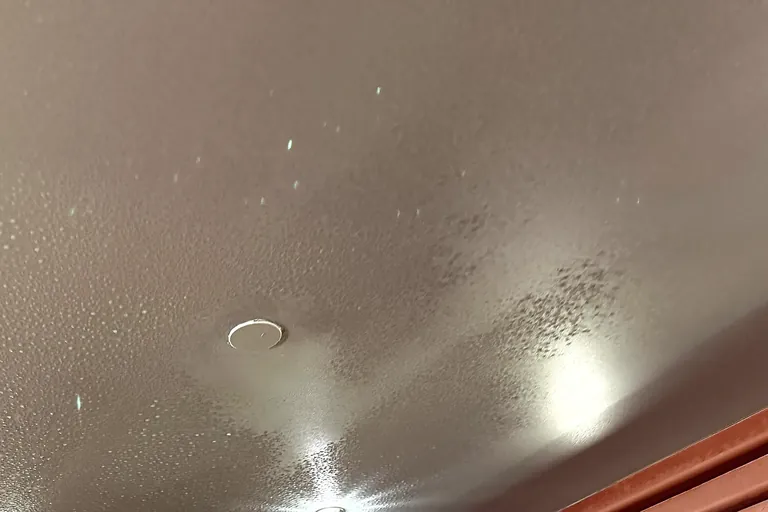
A ceiling mark, damp wall, or wet floor in a Costa Mesa condo can involve a private unit, a shared space, or building materials between floors. The first useful step is to communicate clearly—not to guess the source or assign responsibility. This checklist helps residents and property teams organize a safe response, preserve a record of conditions, and coordinate an assessment. It is general guidance, not a legal decision about HOA duties, insurance coverage, or the cause of a leak.
The short answer
In a condo, visible water can affect more than one room or unit, but a stain does not establish where the leak began or who is responsible. Protect people first, notify the HOA or property manager, document what you can safely see, and coordinate assessment and access before choosing cleanup or drying steps.
1. Keep people clear of electrical and falling-material hazards
Do not enter standing water or touch switches, outlets, appliances, or electrical equipment in a wet area. Keep children and pets away. If water is near electrical systems or a ceiling is sagging, bulging, or shedding material, leave the area and contact the appropriate emergency or building-safety personnel.
Only use a clearly identified shutoff if it is safely accessible and you are authorized to operate it. Do not enter another unit, shared utility space, or a wet electrical area to search for a valve. OSHA warns against entering flooded areas or touching electrical equipment when the ground is wet.
- Move people away before collecting photos or belongings.
- Do not stand beneath a visibly damaged ceiling.
- Follow emergency instructions if there is immediate danger.
Guidance references: [1] OSHA: Flood Preparedness and Response — Response/Recovery
2. Notify the HOA or property manager promptly
Use the building’s stated emergency-maintenance process. Give the unit number, where water is visible, when it was first noticed, whether it is still appearing, and how the manager can reach you. Ask for a case or work-order number and the next update time.
If another unit or a common area may be affected, ask the manager to coordinate access with the appropriate residents and maintenance personnel. Do not enter a neighbor’s home, operate shared building systems, or assume the visible room identifies the source or the responsible party.
If you rent the condo, notify the owner or landlord as well as the building contact, following the lease and emergency procedure. Keep a dated note of whom you contacted and what instructions were given.
3. Record the condition without delaying urgent action
From a dry, safe location, photograph the visible water, ceiling marks, walls, floors, nearby belongings, and any changes over time. Note the date, time, rooms involved, and whether water is continuing. Keep copies of messages, work orders, inspection notes, and receipts for authorized temporary work.
California’s Department of Insurance recommends documenting property damage and keeping claim records. Contact the relevant insurer for instructions about inspections, temporary measures, and records for your specific policy; this checklist cannot determine whether a loss is covered.
- Take wide room photos as well as close-ups of visible damage.
- Keep the original files and a simple event timeline.
- Do not discard damaged belongings or start permanent repairs before checking the applicable instructions.
Guidance references: [2] California Department of Insurance: Residential Property Claims Guide
4. Ask what areas and materials were assessed
Water can move behind baseboards, into wall cavities, under flooring, or through a ceiling assembly. A dry-feeling surface or a stain that stops spreading does not prove concealed materials are dry or that the source has been repaired. Ask which rooms and materials were checked, what could not be accessed, and whether another unit or shared area needs coordination.
EPA describes moisture meters as tools for investigating moisture problems and monitoring drying. Readings depend on the material and measurement method; one number or a thermal image should not be treated as a universal pass-or-fail result.
Have plumbing, electrical, structural, and building-system questions handled by appropriately qualified and authorized people. Do not cut into a wall or ceiling yourself to look for water.
Guidance references: [3] US EPA: Investigating and Evaluating Moisture Problems (Chapter 3)
5. Confirm water conditions before starting drying
Do not assume the water is clean based on where it appears. Water may have contacted other materials or come from an uncertain source. If contamination is possible, keep people away and obtain appropriate guidance before disturbing materials or running fans.
EPA’s equipment guidance is specific to clean-water damage and distinguishes extraction, airflow, and dehumidification. Before equipment is used, confirm that electrical conditions are safe, the water is known to be clean or sanitary, and the person responsible for monitoring the affected materials is clear.
A machine running for a set number of days is not proof that a wall, floor, or ceiling assembly is dry. Ask how progress will be checked and who decides when the area is ready for repair.
Guidance references: [4] US EPA: Table 1: Water Damage — Cleanup and Mold Prevention (clean water); [3] US EPA: Investigating and Evaluating Moisture Problems (Chapter 3)
6. Coordinate the restoration scope and address coverage
Before work begins, clarify who authorized access, which rooms and materials are included, how occupants will receive updates, and who will handle source repair versus cleanup and drying. Keep the written scope and any change approvals with your records. Questions about building responsibility, association rules, or insurance should go to the responsible parties and qualified advisers.
Flood-Pro handles restoration inquiries around Costa Mesa and nearby communities. Service depends on the specific address and requested work, so confirm coverage before arranging an assessment. See the Costa Mesa coverage page and water-damage restoration service for details.
Sources and references
- OSHA: Flood Preparedness and Response — Response/Recovery
- California Department of Insurance: Residential Property Claims Guide
- US EPA: Investigating and Evaluating Moisture Problems (Chapter 3)
- US EPA: Table 1: Water Damage — Cleanup and Mold Prevention (clean water)
References support the cited safety and drying guidance. They do not endorse Flood-Pro, verify business credentials, or establish property-specific conditions or service coverage. Access, scheduling, and installation questions are planning advice; confirm applicable requirements with the responsible professionals.
Common questions
What should I do first if I find water in my Costa Mesa condo?
Keep people away from electrical hazards or unstable materials, then notify the HOA or property manager through the building’s emergency process. Document visible conditions only from a safe location and do not assume the visible area shows the full source or extent.
Does a ceiling stain show which condo unit caused the leak?
No. A stain shows a visible condition, not the source or responsibility. Ask the property manager to coordinate an appropriate investigation and access to affected units or shared areas.
Can I turn off a shared water valve?
Only if you are authorized, the valve is clearly identified, and it is safely accessible. Do not enter a wet utility area or operate unfamiliar shared building systems; contact the building’s authorized personnel.
Does a dry-looking ceiling mean the condo is ready for repairs?
Not necessarily. Moisture may remain behind finishes or in an assembly. Ask what was inspected, what remains inaccessible, and how drying progress will be verified before repairs are planned.
Should I run fans as soon as I see water?
Not until electrical conditions are safe and the water is known to be clean or sanitary. EPA’s fan guidance is for clean-water situations; uncertain or possibly contaminated water needs appropriate assessment first.
Does Flood-Pro provide water-damage restoration for Costa Mesa condos?
Flood-Pro handles restoration inquiries around Costa Mesa and nearby communities. Confirm the specific address and requested work before arranging service; coverage is not guaranteed by the city name alone.