Sewage Cleanup & Remediation
Sewage backups are a serious contamination hazard. Our team uses protective equipment, containment, removal, cleaning, disinfection, and drying procedures appropriate to the affected materials.
Call Now For Immediate DispatchThe Dangers of Black Water
Sewage-contaminated water can contain harmful microorganisms and can spread into porous building materials. Keep people and pets away, avoid direct contact, and do not use household fans or vacuums that could spread contamination.
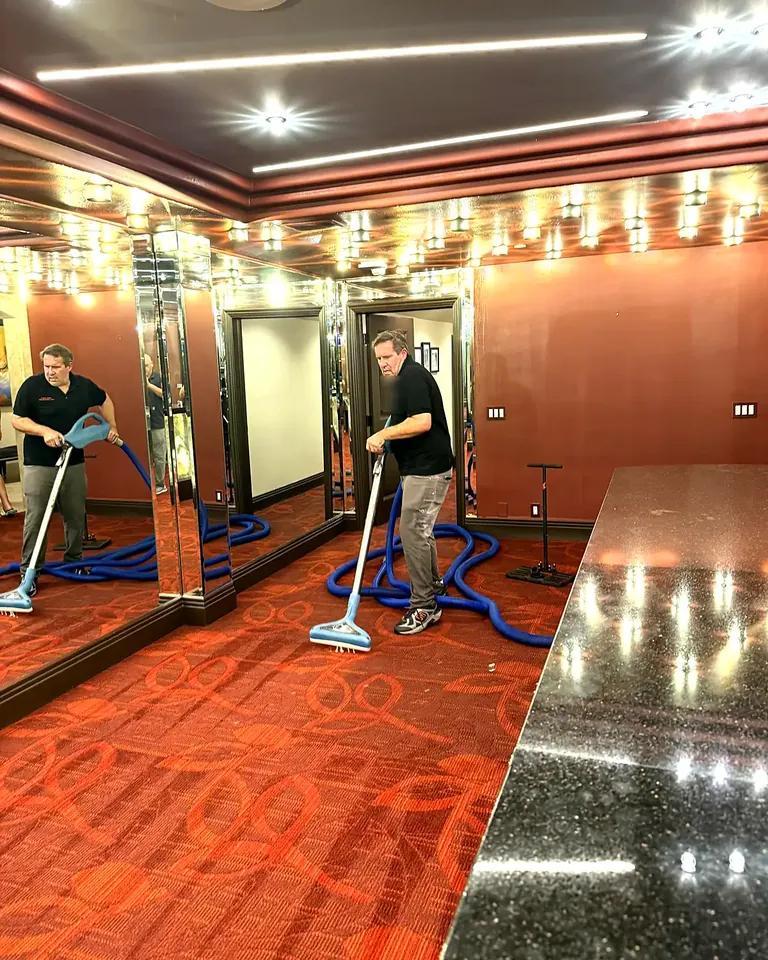
Example of water-extraction work. This photo shows a carpet extraction job, not a sewage-contaminated loss.
Strict Containment
We establish negative air pressure and physical barriers to prevent airborne pathogens and odors from spreading to clean areas of your home or business.
Material Disposal
By industry standards, all porous materials (carpet, pad, drywall, insulation) touched by sewage must be safely removed, bagged, and disposed of as biohazard waste.
Professional Sanitization
We scrub all salvageable hard surfaces with heavy-duty biocides and antimicrobial treatments to ensure complete eradication of harmful microbes.
Odor Eradication
Using advanced equipment like hydroxyl generators and thermal foggers, we destroy odor molecules at the chemical level rather than just masking them.
Don't Risk Your Health
Our teams are equipped with full PPE and are trained in biological hazard cleanup protocols. We'll handle the mess safely and legally.
Request Emergency CleanupCommon questions
What should I do after a sewage backup?
Keep people and pets out of the affected area, avoid contact with wastewater, and stop using affected drains if safe. Do not run ordinary fans over contaminated material. Call Flood-Pro at (800) 880-1425 to discuss cleanup, and arrange plumbing help to address the backup source.
Can I clean a sewage backup with household equipment?
A sewage backup can contaminate porous materials and concealed spaces. Household cleaning equipment may spread contamination or leave affected material untreated. Professional assessment helps determine containment, removal, cleaning, and drying needs.
Does drying alone make sewage-damaged materials safe?
No. Contamination must be addressed before drying. Some porous materials may require removal, while suitable remaining surfaces need appropriate cleaning before moisture assessment and drying.
Helpful next steps
Explore practical restoration guidance and service information for the Costa Mesa area.