How to Document Water Damage for an Insurance Claim
Good documentation makes it easier to explain what happened and what changed during cleanup. Prioritize immediate safety and stopping ongoing damage; when conditions allow, create an organized record before items are moved or discarded.
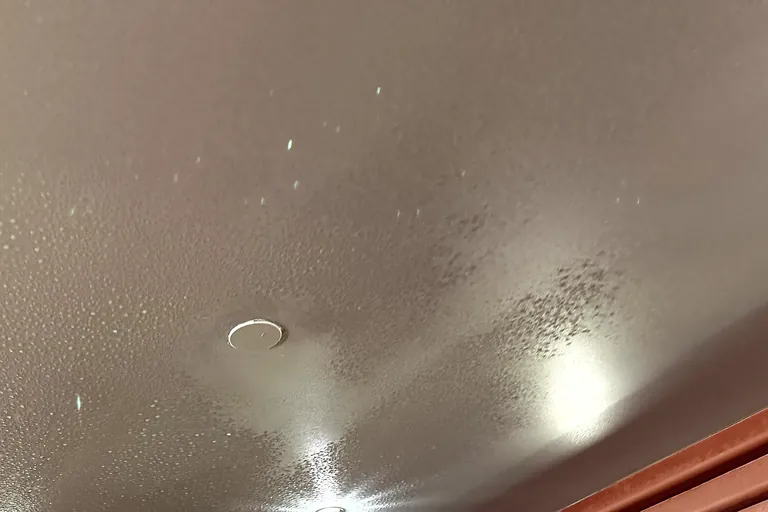
Capture the condition before and during cleanup
Take a set of wide photos showing each affected room, then closer images of damaged surfaces and belongings. Photograph the source only if it is safe. Include a date-stamped note describing when the water was discovered, when it was stopped, and any visible changes. Avoid editing the originals; save copies in a separate folder or secure cloud location.
- Photograph from more than one angle and include context.
- Record room, item, and approximate dimensions where useful.
- Keep original image files and a simple chronological event log.
California’s claims guide recommends photographing damage and identifying structural damage to show the adjuster. [1] California Department of Insurance
List belongings, work, and expenses
Create an inventory of affected possessions with a description, age if known, and condition; attach photos or receipts when available. Save invoices, emergency purchases, and communications with service providers. Ask the insurer what records and approval steps it needs for your policy. California’s insurance guidance distinguishes flood damage, generally excluded from standard homeowners policies, from other water losses; separate flood coverage may be needed. A restoration company can document observed conditions and work performed, but does not decide coverage.
California’s claims guide recommends inventories with descriptions, price and age records, and receipts. Ask your insurer which losses your policy covers. [1] California Department of Insurance
Do not delay necessary mitigation
Documentation should not keep you from addressing an active leak, electrical hazard, or unsafe conditions. Take what photographs you safely can, then arrange source repair and prompt mitigation. Keep removed materials or damaged items until you have documented them and checked with your insurer when practical. Our insurance claim support page explains how restoration records can help organize the process; for immediate response steps, use the first 24-hour leak checklist.
- Notify your insurer using the contact process in your policy.
- Keep a log of calls, names, dates, and instructions.
- Do not assume a vendor can promise claim approval or reimbursement.
California’s claims guide recommends safe temporary repairs to prevent further damage, keeping receipts, and avoiding extensive permanent repairs before the adjuster’s assessment. [1] California Department of Insurance
Sources and references
Sources checked . These sources support the specific guidance cited beside each section; they do not endorse Flood-Pro or verify its services, equipment, or credentials.
Project decisions depend on the water source, materials, contamination, and safe access. Do not start fans until water is known to be clean or sanitary and electrical conditions are safe; visible or suspected mold needs appropriate assessment before airflow. Rental availability and Los Angeles-only rental coverage are company information, not agency recommendations. Insurance coverage depends on your policy and insurer.
Common questions
Should I wait for an adjuster before removing water?
Do not leave active damage or unsafe conditions unaddressed. Document what you can safely, notify your insurer, and ask about its requirements while arranging necessary mitigation.
What evidence should I save after water damage?
Keep original photos, a dated timeline, an itemized inventory, receipts, service records, and copies of relevant communications.
Can a restoration company guarantee insurance coverage?
No. Coverage depends on the policy and the insurer’s determination. A restoration provider can document observed conditions and work performed.