
The First 24 Hours After a Supply-Line Leak
A failed appliance or fixture supply line can release water quickly and send it under cabinets, flooring, and walls. Focus first on safety and stopping the source; then document the loss and get wet materials assessed before the visible water disappears.
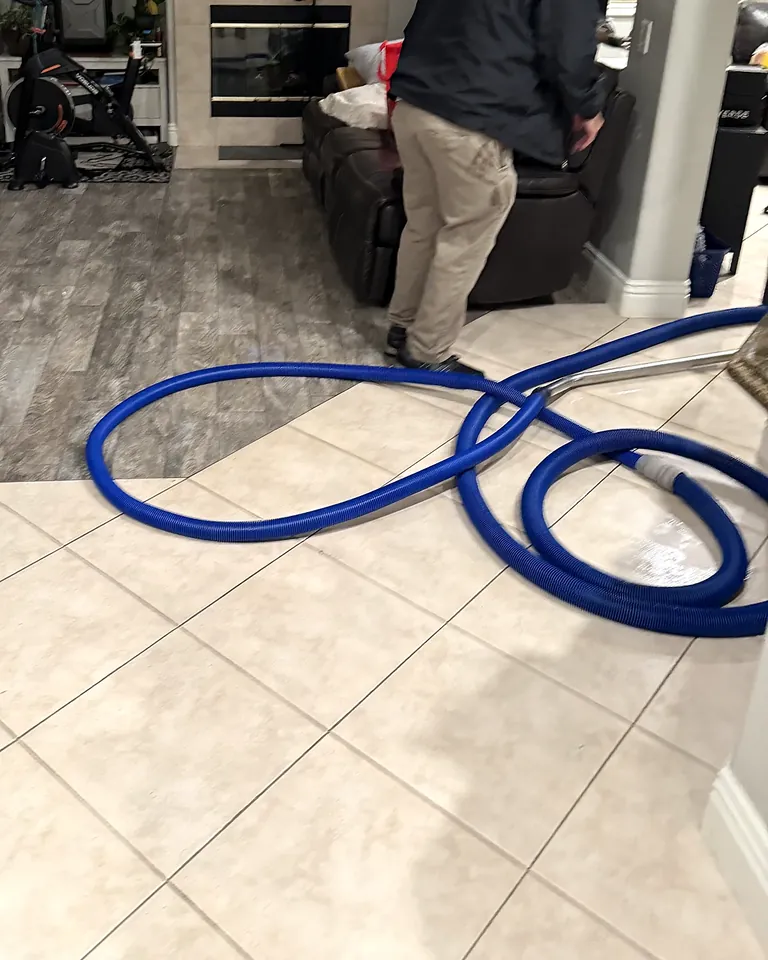
Stop the leak only when it is safe
If water is still flowing, close the fixture shutoff valve if you can reach it without entering standing water. If that does not stop it, use the home’s main shutoff and contact a licensed plumber. Do not touch a wet appliance, outlet, or electrical panel; if electricity may be involved, keep clear and have the hazard handled safely. Move people and pets away from slick floors and any ceiling that is sagging.
- Do not restart a leaking appliance until it has been inspected.
- Avoid walking through water near energized equipment.
- If water is entering from a ceiling, stay out from under the bulge.
OSHA warns against entering flooded areas or touching electrical equipment while the ground is wet. [1] OSHA
Document and protect the affected area
Once conditions are safe, take wide and close photographs before moving items or starting cleanup. Record when you first noticed the leak, what failed if known, and which rooms or belongings were affected. Blot or remove small amounts of clean water only if doing so is safe; do not discard damaged property before documenting it and checking with your insurer. Our guide to documenting water damage for an insurance claim has a simple evidence checklist.
- Photograph the water source, room, and visible damage.
- Keep receipts for emergency purchases and mitigation.
- Separate dry belongings from wet ones without spreading water through the home.
California’s claims guide recommends photographs, inventories, receipts, and preserving damaged property for the adjuster. [2] California Department of Insurance
Find moisture beyond the visible puddle
Water can travel below finished flooring, into cabinet bases, and behind baseboards even after the surface is mopped. Note soft drywall, swelling, lifted flooring, or a musty smell, and ask for moisture measurements when the affected area is uncertain. Prompt water damage restoration can determine whether extraction, material removal, or monitored structural drying is appropriate. Avoid closing walls or replacing flooring until wet assemblies have been evaluated.
EPA describes moisture hidden behind finishes and recommends moisture meters for investigating and monitoring drying. [3] US EPA
Sources and references
- OSHA: Flood Preparedness and Response — Response/Recovery
- California Department of Insurance: Residential Property Claims Guide
- US EPA: Investigating and Evaluating Moisture Problems (Chapter 3)
Sources checked . These sources support the specific guidance cited beside each section; they do not endorse Flood-Pro or verify its services, equipment, or credentials.
Project decisions depend on the water source, materials, contamination, and safe access. Do not start fans until water is known to be clean or sanitary and electrical conditions are safe; visible or suspected mold needs appropriate assessment before airflow. Rental availability and Los Angeles-only rental coverage are company information, not agency recommendations. Insurance coverage depends on your policy and insurer.
Common questions
Should I turn off the water after a supply-line leak?
Yes, if you can safely reach the fixture shutoff. If it does not stop the flow, shut off the main supply and arrange a plumbing repair.
Can I use a household fan on the wet area?
Only after confirming the water is clean and electrical conditions are safe. If mold is visible or suspected, get appropriate assessment before running fans. Airflow does not show whether moisture remains under flooring or inside walls.
What should I photograph for an insurance claim?
Photograph the source if safe, all affected rooms and materials, and damaged belongings before cleanup. Keep dated notes and receipts as well.