Water Extraction vs. Structural Drying: What Happens First?
Water removal and drying are related, but they are not the same task. Extraction collects standing water and recoverable moisture; structural drying brings wet building materials back toward an appropriate dry condition using a measured plan.
Extraction removes free water
Pumps, wet vacuums, and specialized extraction tools remove standing water and water held in materials such as carpet. Removing liquid promptly can reduce how much moisture migrates into nearby materials. The method depends on the floor, water source, and what lies beneath it; a flooded floor is not automatically a candidate for the same extraction approach.
- Identify and stop the source before cleanup proceeds.
- Use appropriate extraction methods for the surface and water type.
- Keep contaminated water and equipment away from clean areas.
EPA lists water extraction as a first action for clean-water-damaged carpet and several other materials. [1] US EPA
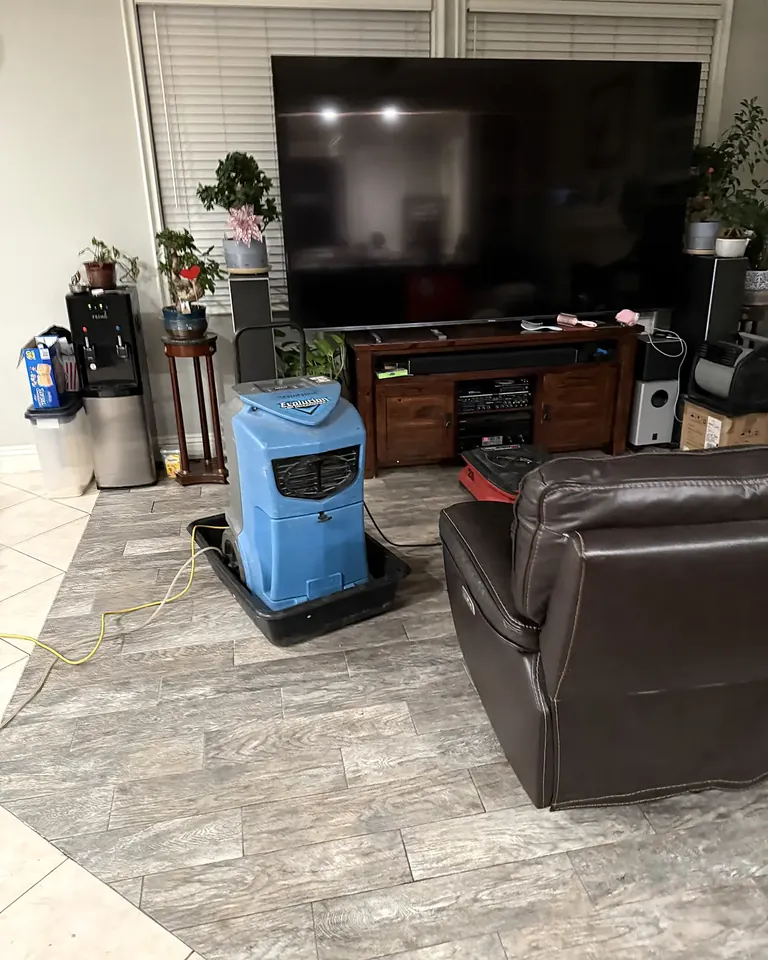
Structural drying targets retained moisture
After extraction, moisture may remain in subflooring, framing, drywall, insulation, or cabinet components. Drying equipment moves moisture from materials into the air and then removes it from the drying environment. Technicians use moisture readings, room conditions, and material observations to decide what equipment and access are needed. Read when renting drying equipment makes sense before choosing equipment based on room size alone.
EPA lists fans and dehumidifiers for clean-water drying and requires attention to the subfloor beneath carpet or flooring. [1] US EPA
Use measurements to confirm progress
A floor that feels dry can still hold moisture below its finish, so visual appearance alone is not a completion test. Consistent readings from affected materials, compared with unaffected reference areas, help show whether the drying plan is working. For a broader overview of the coordinated steps, see our water damage restoration service; crews may revise equipment placement or recommend opening a concealed assembly when readings show drying is not progressing.
- Keep a record of readings and drying conditions.
- Do not cover wet materials with new flooring or paint.
- Ask what specific measurements will be used to confirm drying.
EPA says moisture meters are useful for measuring building-material moisture and monitoring drying. [2] US EPA
Sources and references
- US EPA: Table 1: Water Damage — Cleanup and Mold Prevention (clean water)
- US EPA: Investigating and Evaluating Moisture Problems (Chapter 3)
Sources checked . These sources support the specific guidance cited beside each section; they do not endorse Flood-Pro or verify its services, equipment, or credentials.
Project decisions depend on the water source, materials, contamination, and safe access. Do not start fans until water is known to be clean or sanitary and electrical conditions are safe; visible or suspected mold needs appropriate assessment before airflow. Rental availability and Los Angeles-only rental coverage are company information, not agency recommendations. Insurance coverage depends on your policy and insurer.
Common questions
Does water extraction dry the wall and subfloor too?
Not necessarily. Extraction removes free water, while moisture retained in walls, subfloors, and other materials may need additional assessment and controlled drying.
How do professionals know when structural drying is complete?
They compare moisture readings over time with appropriate dry reference materials and evaluate the affected assemblies, rather than relying on touch alone.
Can I skip extraction if I have a dehumidifier?
A dehumidifier does not efficiently remove a puddle or saturated carpet by itself. Standing water should be removed first when safe and appropriate.