When to Rent Drying Equipment After Water Damage
A fan or dehumidifier can support drying, but choosing equipment before understanding the water source and affected materials can miss moisture or spread contaminants. Consider rental only when the loss is limited, safe, and reasonably accessible.
When a rental may be a reasonable option
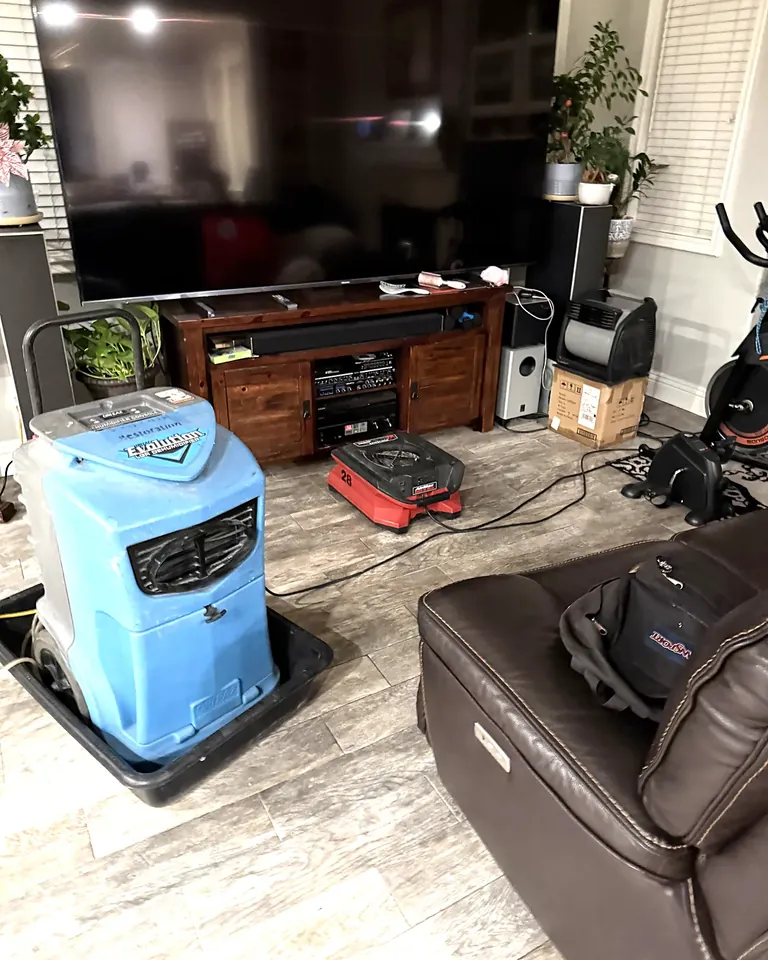
Rental equipment may suit a small, known clean-water spill after the source is fixed, when wet materials are accessible and electrical conditions are safe. If mold is visible or suspected, get appropriate assessment before running fans. Remove free water first, read and follow the rental instructions, and monitor affected materials rather than relying on a machine’s runtime. Availability and suitable equipment vary by project. Flood-Pro rentals are available in Los Angeles only; the linked Irvine resource below concerns professional restoration, not rental coverage.
- The source is repaired and water is known to be clean.
- The affected area is limited and does not involve concealed cavities.
- You can safely monitor the affected materials and equipment.
EPA’s fan and dehumidifier guidance is for clean-water damage, not approval of a DIY rental plan. Do not use fans until the water is known to be clean or sanitary. [1] US EPA
Recognize situations that need professional assessment
Call for help if water is contaminated, has spread under flooring or behind cabinets, affects multiple rooms, or involves wet drywall, insulation, or electrical systems. A rental machine cannot determine whether a wall cavity is wet or whether porous materials should be removed. The water damage restoration assessment can help identify what needs extraction, drying, or removal. Compare the roles of the machines in our guide to air movers and dehumidifiers.
- Sewage, groundwater, or unknown-source water
- Buckled flooring, saturated cabinets, or persistent musty odor
- Water that remains after basic extraction or returns after drying
EPA recommends experienced professional help for contaminated-water damage and advises consultation for extensive water damage. [2] US EPA
Ask these questions before choosing equipment
Confirm how the equipment is operated, what electrical requirements apply, how water is collected or drained, and whom to call if it stops working. Never place equipment where it could contact standing water or block a safe exit. If you are unsure about the source or the extent, an inspection before rental can avoid drying the wrong area while moisture remains elsewhere.
OSHA warns against touching electrical equipment when the ground is wet and recommends using equipment according to its intended application. [3] OSHA
Sources and references
- US EPA: Table 1: Water Damage — Cleanup and Mold Prevention (clean water)
- US EPA: Mold Cleanup in Your Home
- OSHA: Flood Preparedness and Response — Response/Recovery
Sources checked . These sources support the specific guidance cited beside each section; they do not endorse Flood-Pro or verify its services, equipment, or credentials.
Project decisions depend on the water source, materials, contamination, and safe access. Do not start fans until water is known to be clean or sanitary and electrical conditions are safe; visible or suspected mold needs appropriate assessment before airflow. Rental availability and Los Angeles-only rental coverage are company information, not agency recommendations. Insurance coverage depends on your policy and insurer.
Common questions
Can I rent a dehumidifier for any water loss?
No. Rental may be appropriate for some small, clean-water losses, but contaminated water, hidden moisture, and safety concerns call for professional assessment.
Does running equipment mean the structure is dry?
No. Drying progress should be checked with suitable moisture measurements in affected materials and comparison areas.
Should I use fans after sewage backup?
No. Uncontrolled airflow can spread contamination. Keep people out and arrange appropriate professional cleanup.