Water Damage in a Los Angeles Apartment: What to Do First
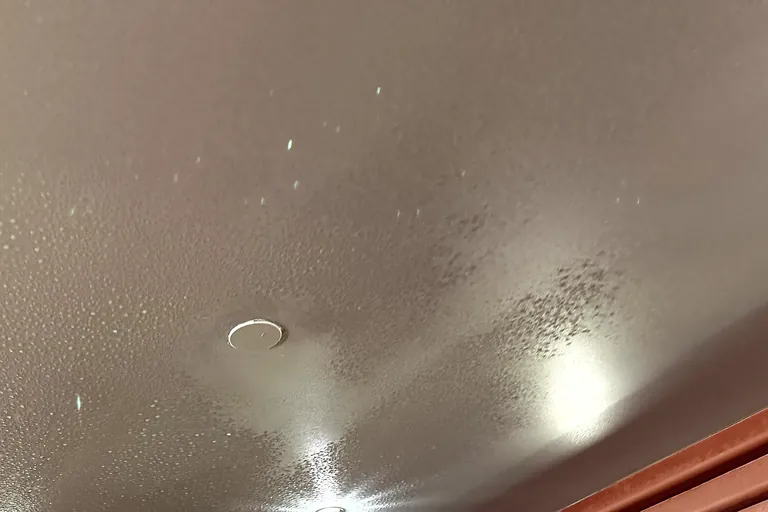
In a Los Angeles apartment or condo, the water you see may not explain where a leak began or how far it traveled. A ceiling mark can raise questions about an upstairs fixture, a shared pipe, or another source, but the mark itself does not prove the cause. The immediate priorities are safe access, communication with the building’s responsible party, and a plan to investigate what is actually wet.
The short answer
Keep clear of electrical and unstable-ceiling hazards, stop the water source only if safely accessible, and notify the property manager. Document visible conditions from a safe position. Before choosing drying equipment, have the affected materials, concealed moisture, and water source assessed; a ceiling stain or dry surface alone cannot establish the extent of damage.
1. Put safety before cleanup or photographs
Keep out of rooms where water is near outlets, light fixtures, appliances, or other electrical equipment. Do not enter standing water to reach a breaker, move a plug, or switch on a rental machine. OSHA warns against entering flooded areas or touching electrical equipment when the ground is wet.
Do not stand beneath a visibly sagging or unstable ceiling, and do not puncture it to release water yourself. Keep occupants clear and ask the property manager for qualified assessment. If there is an immediate threat to life or safety, call 911 rather than waiting for a rental or inspection appointment.
Guidance references: [1] OSHA: Flood Preparedness and Response — Response/Recovery
2. Notify the property manager and describe the visible problem
Contact the landlord, property manager, or association contact responsible for the building. Explain which room is affected, when the problem was first noticed, whether water is still appearing, and whether nearby units or shared spaces may be involved. Avoid assigning blame before the source has been investigated.
A safe, accessible fixture shutoff may help stop an obvious supply leak, but do not enter a hazardous area or operate unfamiliar building systems. Coordinate access, plumbing repairs, and drying work with the responsible parties. Who pays or authorizes work depends on the actual situation, agreements, and applicable rules; this guide does not decide that question.
3. Make a useful record without delaying urgent safety work
If it is safe, photograph visible water, stains, affected contents, and the surrounding room. Save messages reporting the leak and keep a simple timeline of observations and actions. Avoid walking into wet or unstable areas just to obtain a better photograph.
If an insurance claim may be involved, contact the insurer for policy-specific instructions. California’s Department of Insurance recommends photographs, an inventory of damaged items, and receipts for temporary repairs. Do not assume that a renter’s policy, a building policy, or another party’s policy covers a particular loss or a rental charge.
- Record when you first noticed the problem and who you contacted.
- Retain receipts for reasonable temporary measures and equipment arrangements.
- Ask the insurer about inspection and documentation before discarding items or approving permanent repairs, subject to immediate safety needs.
Guidance references: [2] California Department of Insurance: Residential Property Claims Guide
4. Assess shared and concealed materials before choosing a drying plan
Water can affect more than the exposed paint or flooring. An investigation may need to consider the wall or ceiling assembly, nearby cabinets, flooring layers, and adjoining spaces. EPA describes moisture meters as useful tools for investigating moisture problems and monitoring the drying of building materials.
A stain does not establish that an assembly is still wet, and a dry-feeling surface does not establish that everything behind it is dry. Ask what was inspected, where readings were taken, and what remains uncertain. Do not remove building materials or open a ceiling on your own to look for hidden water; arrange appropriate assessment through the property’s responsible party.
Guidance references: [3] US EPA: Investigating and Evaluating Moisture Problems (Chapter 3)
5. Decide whether equipment rental fits the assessed situation
For a suitable clean-water loss, extraction, airflow, and dehumidification may all play a part. EPA’s clean-water table identifies these functions and notes that the subfloor beneath carpet or other flooring must also be cleaned and dried. Do not start fans until water is known to be clean or sanitary; suspected contamination or visible growth requires appropriate professional advice.
For a Los Angeles equipment inquiry, Flood-Pro can discuss rental availability at (800) 880-1425. Have the property location, access restrictions, affected materials, and any assessment findings ready. Clarify who approves the setup, who checks progress, and what must happen before equipment is returned.
Los Angeles rental availability is not a promise of full restoration service at every Los Angeles address. Flood-Pro’s restoration service area is around Costa Mesa and nearby communities; use the coverage directory and confirm the individual property before booking that separate service.
Guidance references: [4] US EPA: Table 1: Water Damage — Cleanup and Mold Prevention (clean water); [3] US EPA: Investigating and Evaluating Moisture Problems (Chapter 3)
Sources and references
- OSHA: Flood Preparedness and Response — Response/Recovery
- California Department of Insurance: Residential Property Claims Guide
- US EPA: Investigating and Evaluating Moisture Problems (Chapter 3)
- US EPA: Table 1: Water Damage — Cleanup and Mold Prevention (clean water)
References support the cited safety and drying guidance. They do not endorse Flood-Pro, verify rental inventory, or establish service coverage. Building access and rental questions are planning advice; rental availability is company information, not an agency recommendation.
Common questions
Should I rent a fan as soon as I see a wet ceiling?
Not before the hazards, water source, and affected materials have been assessed. Keep away from wet electrical fixtures or unstable ceilings. A fan does not repair a leak or establish whether moisture is trapped inside an assembly.
Does a ceiling stain mean the upstairs neighbor caused the leak?
No. A stain alone does not establish the cause, timing, or responsible party. Report the condition to the property manager and arrange a qualified investigation.
Can rental equipment help with water damage in Los Angeles?
It may fit an assessed clean-water situation when the electrical conditions and setup are safe. Flood-Pro offers Los Angeles equipment rentals; confirm availability, authorization, monitoring, and rental terms before booking.
Will insurance cover my drying-equipment rental?
Coverage depends on the policy and circumstances. Ask your insurer about authorization, documentation, deductibles, and applicable limits before assuming a rental or repair will be reimbursed.