
Flooded Carpet: When Can It Be Cleaned, and When Should It Be Removed?
A flooded carpet is not automatically salvageable or automatically a loss. The water source, exposure time, carpet construction, cushion, subfloor, and ability to extract and dry the assembly all affect the decision.
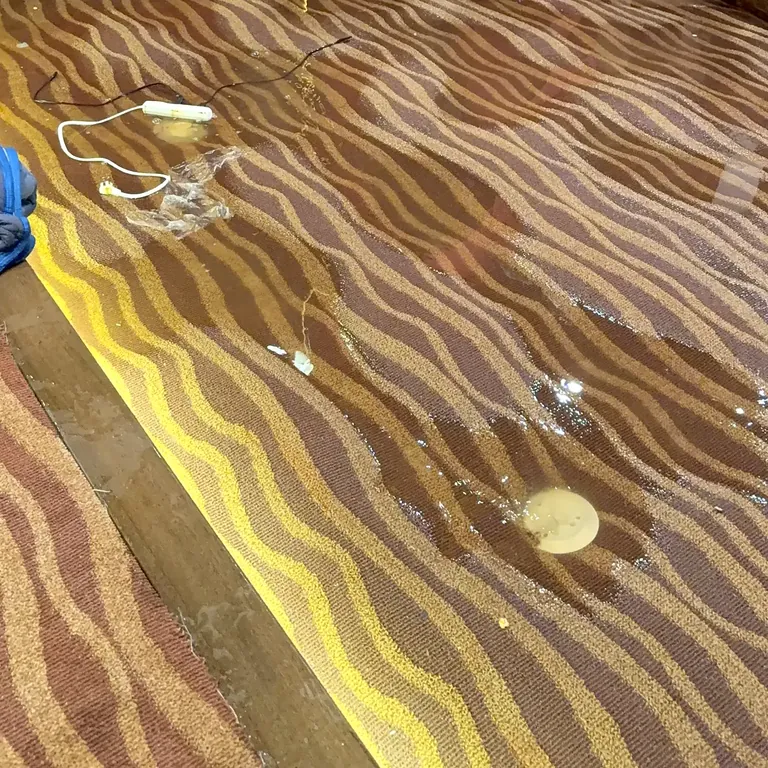
Start with the water source and safety
Water from a clean, known supply line is different from water that has contacted sewage, groundwater, or other contaminants. Do not handle carpet exposed to sewage or unknown contaminated water; keep people and pets away and arrange professional assessment. Likewise, stay clear of wet carpet near electrical hazards. Our flood cleanup service can assess extraction and cleanup needs based on the water category and affected materials.
- Do not run a household vacuum over standing water.
- Treat sewage or unknown floodwater as contaminated.
- Stop the source and address electrical risks before entry.
CDC warns that floodwater may contain sewage and chemical hazards; unknown floodwater should not be assumed clean. [1] CDC
Assess the carpet, pad, and subfloor as one assembly
Even if the carpet face seems to recover, water may remain in the cushion, tack strip, or subfloor. Prolonged wetness, delamination, heavy soil, odors, and difficulty accessing the underside can change the recommendation. In some clean-water situations, a professional may be able to lift, extract, and dry materials; in others, removal is the more appropriate way to expose and dry the structure.
EPA’s clean-water table addresses carpet and backing together and says the subfloor must also be cleaned and dried. Contaminated-water losses need experienced professional advice. [2] US EPA
Make a measured decision, not a smell test
A clean appearance or lack of odor does not establish that the full floor assembly is dry. Moisture readings and a realistic assessment of cleaning, drying, and contamination help determine what can be retained. If removal is needed, document the condition first and ask your insurer about its process. For more on the next stage after liquid water is removed, read how extraction differs from structural drying.
- Record the water source and approximate time materials were wet.
- Check carpet, cushion, tack strip, and subfloor—not only the surface.
- Do not reinstall or cover materials until they are appropriately dry.
EPA recommends moisture meters to investigate wet materials and monitor drying; appearance alone can miss concealed problems. [3] US EPA
Sources and references
- CDC: Safety Guidelines: Floodwater
- US EPA: Table 1: Water Damage — Cleanup and Mold Prevention (clean water)
- US EPA: Investigating and Evaluating Moisture Problems (Chapter 3)
Sources checked . These sources support the specific guidance cited beside each section; they do not endorse Flood-Pro or verify its services, equipment, or credentials.
Project decisions depend on the water source, materials, contamination, and safe access. Do not start fans until water is known to be clean or sanitary and electrical conditions are safe; visible or suspected mold needs appropriate assessment before airflow. Rental availability and Los Angeles-only rental coverage are company information, not agency recommendations. Insurance coverage depends on your policy and insurer.
Common questions
Can carpet be saved after a clean-water leak?
Sometimes. The source, exposure time, carpet and pad condition, and ability to extract and thoroughly dry the assembly determine whether it is a reasonable candidate.
Should carpet be removed after sewage or groundwater flooding?
Carpet and pad exposed to contaminated water often require removal because porous materials are difficult to clean reliably. Keep out and get a professional assessment.
Can carpet feel dry while the floor beneath it is wet?
Yes. The cushion, tack strip, or subfloor can retain moisture after the carpet surface feels dry; measurements and inspection are needed.