
Follow water from utility space to living space
A heater leak in a Fountain Valley garage can wet stored belongings, baseboards, and the wall shared with a laundry area. In a Green Valley kitchen, water can run beneath cabinets before becoming visible. Each route depends on the floor and wall assembly, not a standard house layout.
Ask whether the source is still active and have a plumber repair it. Warm flooring or a stain alone does not establish a slab leak; investigate before opening finished floors.
Dry concealed materials deliberately
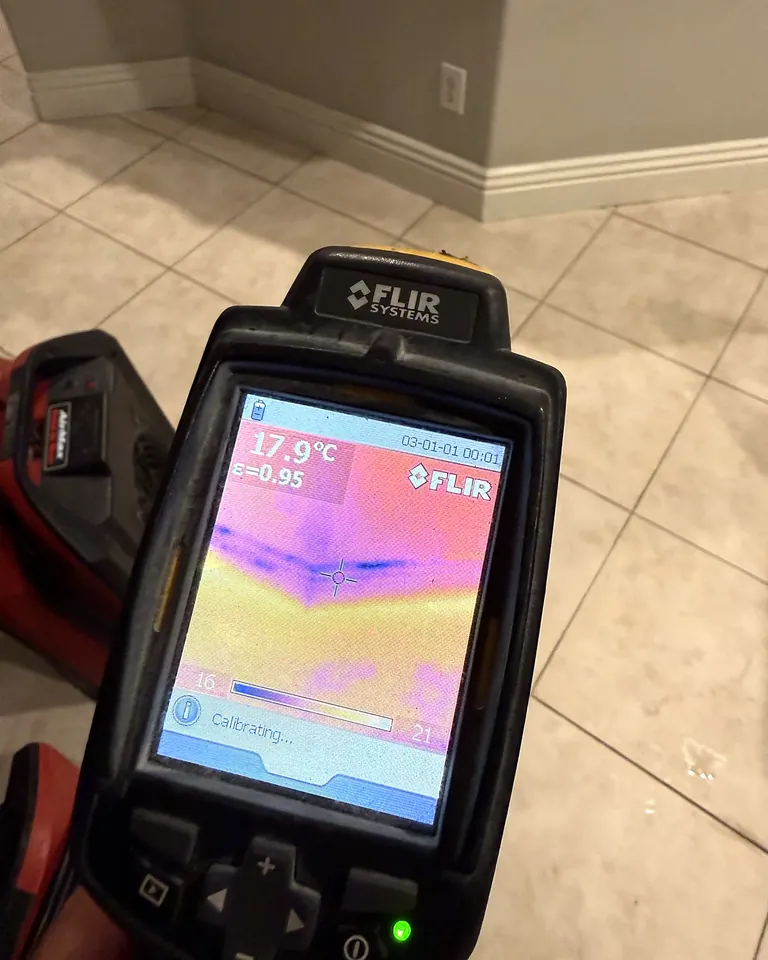
Restoration may include extraction, checking wall and floor edges, moving contents, and drying or removing affected materials. Moisture readings help decide whether air movement and dehumidification are appropriate. Water trapped below flooring may need access rather than additional surface fans.
Keep clear of water near electrical outlets or a heater connection. Tell the team if the property is managed by an HOA or if another unit could share a wall or plumbing line.
Confirm what is ready to restore
Before putting stored belongings back or replacing baseboards, check that source repair and drying are complete. Keep a record of the leak, plumbing work, and restoration assessment for insurance discussions; coverage is determined by the carrier.
A written explanation of affected materials and follow-up checks helps homeowners understand why a dry garage surface may not settle the question of the wall behind it.
Check the garage-to-house transition
A water-heater leak in a Fountain Valley garage can run under stored items and reach the shared wall or the door threshold before the living area looks wet. If safe, note whether the appliance pan, wall base, and nearby laundry connections show water, but do not handle a wet heater or electrical supply. A plumber should identify the failed source.
Restoration inspection should extend beyond the appliance footprint. Check the opposite face of the wall, baseboards, floor coverings, and any adjacent cabinet or closet. A dry-looking slab does not establish whether wallboard, insulation, or flooring edges remain damp; readings and material condition guide whether access or drying is warranted.
For Green Valley or Tiburon homes with later flooring or cabinetry, explain what renovations cover the original surfaces. Do not pull fixed finishes simply to investigate. Ask what less disruptive checks are possible, what findings would justify opening the assembly, and how moisture progress will be recorded before replacement materials go in.
Coordinate the household and repair records
Move only light items along a safe path, keeping potentially wet storage separate from clean rooms. If an HOA controls shared plumbing or access, notify the manager before work begins.
Keep the plumber's invoice with the restoration assessment and photographs. An insurer determines coverage; dated records help distinguish the source repair from drying and finish work.
Fountain Valley questions
Can a heater leak wet the wall into my Fountain Valley home?
Yes, water may reach a shared wall or doorway. Have adjoining materials checked rather than assuming the damage stops at the garage.
Does a warm floor prove a slab leak?
No. It is a sign to investigate, not a confirmed diagnosis. Have the source located by an appropriate professional.
Can I put a fan on wet carpet?
First determine the water source and check for electrical hazards. Avoid fans over contaminated or unknown water.
When should baseboards be replaced?
After the affected assembly and drying condition are assessed; the decision depends on actual material damage. In a Fountain Valley home, a swollen garage-side baseboard may reflect water behind it, while an intact piece beside a shallow spill may be salvageable. Check the wall and floor edge before installing new trim.
Need help with property damage?
Tell us what happened in Fountain Valley and whether the water source is still active. For emergencies, call rather than waiting on email.
(800) 880-1425