Match inspection to the property
An older house near the Anaheim Colony Historic District may have layered flooring or plaster finishes that hide moisture. A suite in the Platinum Triangle may instead require coordination around shared walls, tenant schedules, and equipment. Neither the building's age nor the size of the visible stain determines the full scope.
Water can travel through cabinet bases, under floor coverings, and along framing. Identify the apparent source and note when the damage started; tell the assessor about repairs or earlier dampness.
Control the cause before closing surfaces
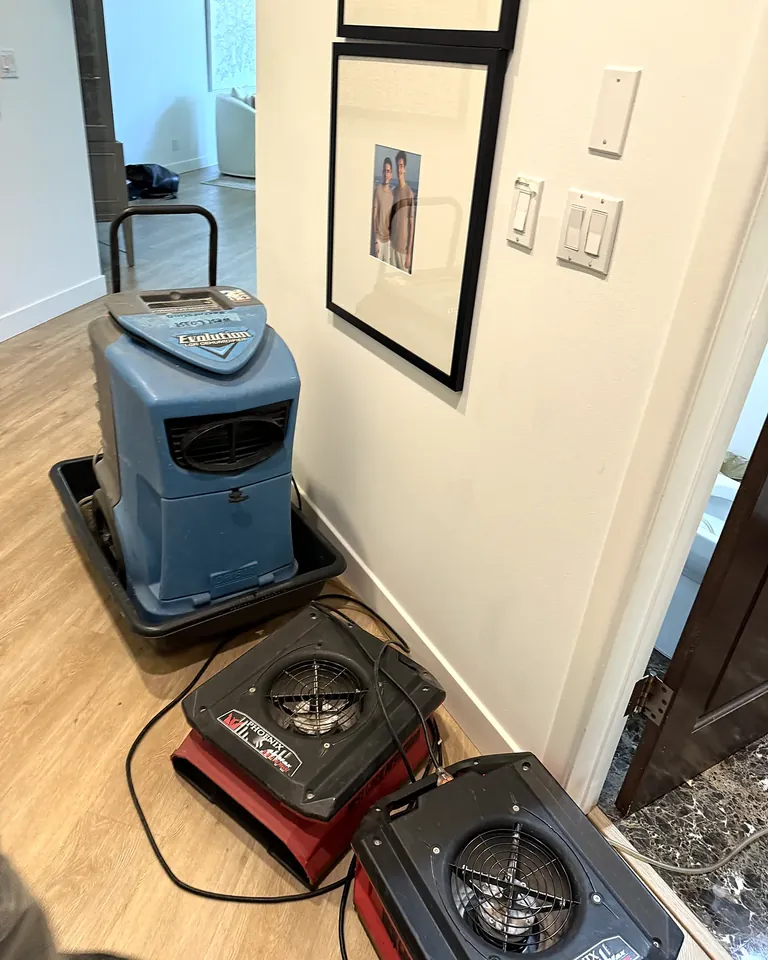
A plumber repairs a failed connection, while restoration evaluates and dries affected materials. Depending on readings and access, the work can include extraction, selective opening, dehumidification, and follow-up checks. Wet insulation or a saturated wall cavity needs attention that surface wiping cannot provide.
Keep away from water near electrical systems and from ceilings that appear unstable. For a tenant, communicate with the property manager before opening or repairing shared building assemblies.
Plan for continued business or occupancy
A shop or hospitality space may need a protected route around the work area so unaffected operations can continue safely. Ask which equipment and contents must be moved and how moisture progress will be measured. Preserve photos and repair records for an insurer, which makes its own coverage determination.
Do not replace flooring or repaint until the source is corrected and affected materials have been checked. A clear sequence helps avoid concealing moisture in an occupied room or tenant suite.
Coordinate moisture checks and room access
In an Anaheim Colony Historic District home, a plaster finish or older wood floor may need a gentler access decision than a newer tiled bathroom. Ask whether readings will be taken at the surface and at likely hidden layers, such as underlayment or the back of a cabinet. Those findings, rather than the age of the property alone, guide whether drying in place is reasonable.
For a Platinum Triangle suite or Resort-area property, agree with management on entry windows, protected routes, and equipment shutdowns before moving contents. Affected tenants may need the same inspection even if water first appeared in a different room. Do not close an opened cavity until its condition and the leak repair have been reviewed.
Keep a dated list of rooms checked, materials removed, and repairs made by a plumber or appliance technician. If a carrier needs to inspect contents, ask before disposing of them. Restoration records explain the observed work, while policy coverage remains an insurer decision.
Keep a useful repair and drying record
For an Anaheim property manager, record when the leak was reported, which unit controlled the shutoff, and what the plumber repaired. Tenants can keep room photographs and a list of items moved without assuming responsibility for a shared pipe.
Before finish work, compare the areas opened with the moisture checks recorded. Keep invoices and restoration notes together for insurer communication; the carrier determines coverage, and the records simply clarify the sequence of work.
Anaheim questions
Why is the floor wet away from an Anaheim pipe leak?
Water can move under flooring or along framing before it becomes visible. Moisture assessment helps locate the affected area.
Can a business stay open during drying?
It depends on hazards, access, and the work boundary. Discuss safe operations with the building manager and restoration team.
Who fixes the appliance connection?
A plumber or appliance technician addresses the failed source; restoration handles resulting building moisture.
Will a dry-looking ceiling prove the leak is resolved?
No. Hidden materials may remain wet, and the source itself must be confirmed repaired.
Need help with property damage?
Tell us what happened in Anaheim and whether the water source is still active. For emergencies, call rather than waiting on email.
(800) 880-1425