
Track rain through roofs, windows, and doors
A ceiling stain in an Anaheim Colony Historic District home can appear away from a roof opening as water follows framing. In a Resort-area storefront, rain may enter at glazing or a doorway and reach finishes, stock, and neighboring tenant space. The indoor mark alone does not locate the exterior failure.
Avoid climbing onto a wet roof or touching damaged wiring. Capture conditions from safe ground and tell the responder whether the same area leaked before.
Stabilize the exterior and assess inside
A qualified repair professional may need to secure a roof, window, or door before interior drying can succeed. Do not block fire exits or move heavy stock through standing water. If water entered through a drain or plumbing fixture rather than the weather envelope, describe that distinction.
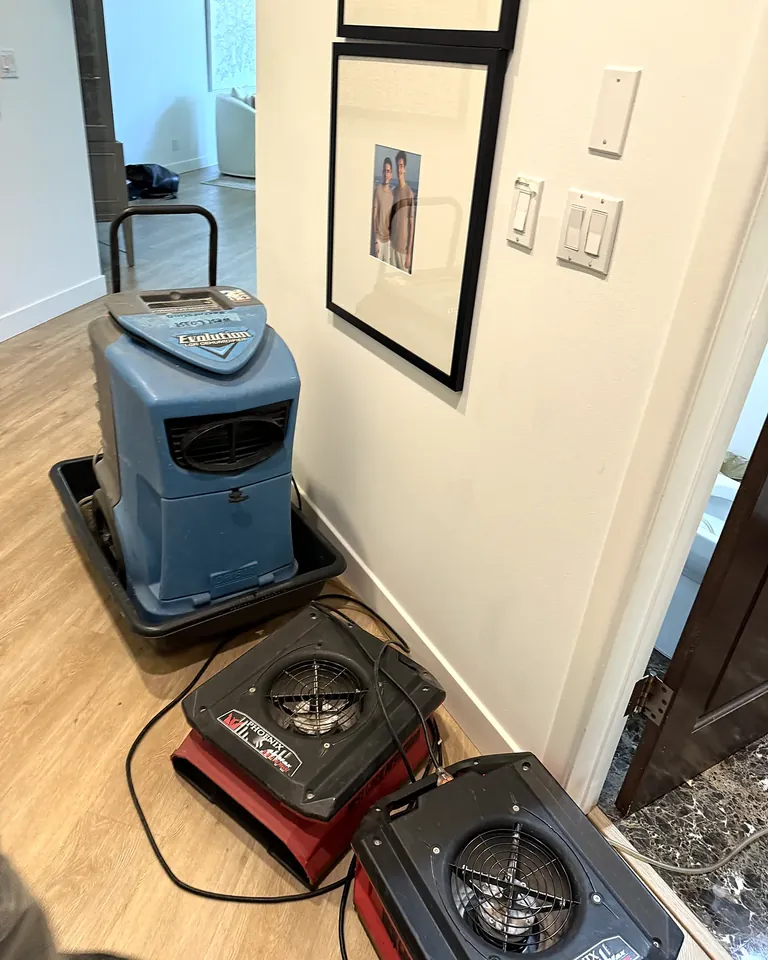
Once access is safe, work may include extraction, checking concealed assemblies, removing damaged material, and monitored drying. Commercial and multifamily properties may need coordination with building management.
Keep a timeline and repair trail
Record when rain entered, where it appeared, and any temporary work, with photographs taken only when safe. Keep receipts and restoration notes for your records; insurance coverage varies by policy and cause.
Before replacing ceiling or wall finishes, ask whether insulation and adjoining cavities were assessed. Repairing the entry point and drying the interior are separate parts of a complete response.
Trace water from opening to interior materials
At an Anaheim Resort storefront, wind-driven rain at glazing or a door can wet trim, floor coverings, and nearby stock; in a Colony Historic District home, roof water may follow framing before it shows on a ceiling. Take notes from a safe position and do not treat the location of the first drip as proof of where the exterior defect lies.
A qualified repair professional may need to secure the opening before indoor drying. Once entry stops, check insulation, ceiling board, wall corners, and flooring transitions, with special attention to materials hidden by shelving or furniture. Avoid climbing onto a wet roof or entering beneath a sagging ceiling.
For commercial properties, document which inventory was directly contacted and whether neighboring suites share the affected wall. Tenants should notify building management about roof, window, or common-area issues. Keep temporary repair receipts and a timeline for your records; the insurer decides coverage based on the policy and cause.
Coordinate exterior and interior records
In Anaheim, note whether rain entered through a roof, storefront glazing, or a threshold, and which contractor addressed the opening. Keep that exterior work record distinct from notes about interior extraction and drying.
For shared commercial buildings, notify management when neighboring suites may have been exposed. Photograph affected finishes or stock only from safe access, and follow the insurer's instructions before discarding items that may need review.
Anaheim questions
Could rain enter my Anaheim store beneath the door?
Yes. Check the entry point safely and consider adjoining finishes or inventory that became wet. Note whether water arrived at the threshold, glazing, or ceiling and whether it continued after rain passed; that history helps direct exterior repair and interior checks.
Is a wet ceiling safe to touch?
Avoid contact if it sags, leaks near wiring, or appears unstable. Keep people out and seek qualified help.
Will indoor drying stop a roof leak?
No. The exterior opening needs repair; drying addresses moisture already inside. Note when rain enters and which wall or ceiling materials become damp so the exterior repair and indoor scope can be coordinated.
Should stormwater be treated like a clean pipe leak?
Not automatically. Its source and what it contacted determine handling and cleaning needs.
Need help with property damage?
Tell us what happened in Anaheim and whether the water source is still active. For emergencies, call rather than waiting on email.
(800) 880-1425