Identify whether water came from outside
A flooded garage near the Balboa Peninsula or water at a Balboa Island threshold may reflect different conditions than an interior pipe break. Outdoor water can carry sediment and debris; clear appearance does not establish that it is clean. Share whether water came through a door, drain, roof, or plumbing fixture.
Do not walk through standing water if outlets, panels, appliances, or damaged building materials may be involved. Photograph conditions only from a safe position. If water is still entering, the entry point must be addressed safely or extraction may need to be repeated.
A ground-level storage room often contains cardboard, textiles, and belongings placed directly on a slab. Keep people out until the source and electrical safety are understood, then separate items by whether they contacted outdoor water. Avoid stacking wet boxes in a dry room, where they can transfer moisture and make later cleaning decisions harder.
In a furnished rental, make a room-by-room list of owner and guest belongings before discarding anything. Photograph labels and visible conditions without touching contaminated items. If water reached a shared garage or storage cage, ask building management about access and cleaning of common surfaces before returning stored property.
Removal is only the first part
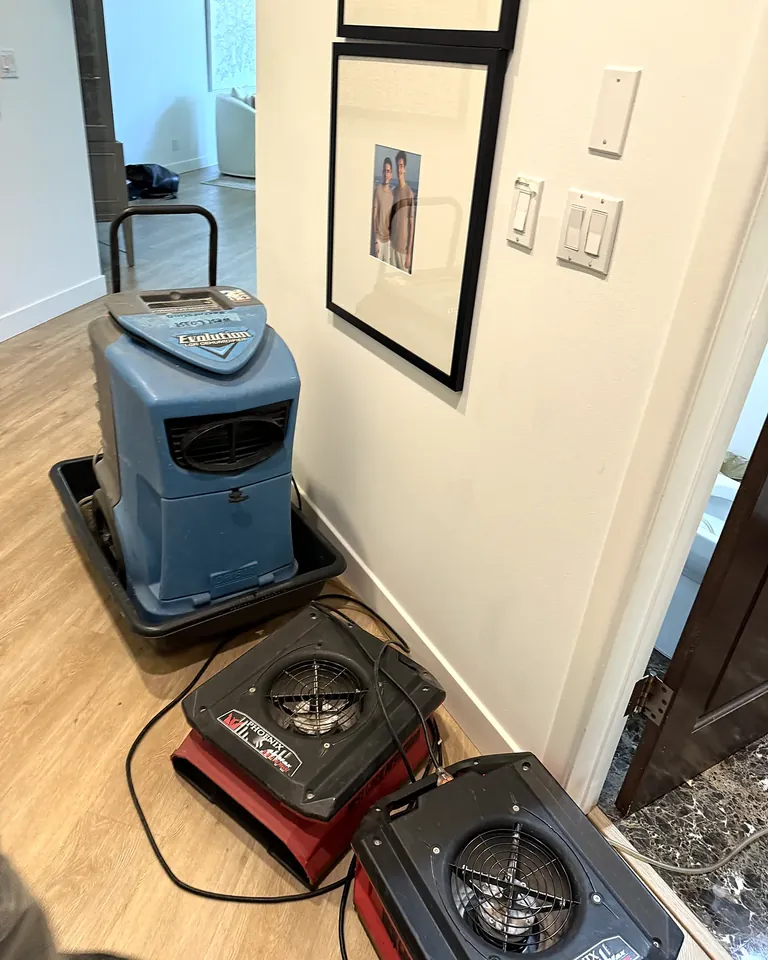
Extraction removes accessible liquid; it does not dry wall cavities, insulation, or material below a floor. A useful cleanup plan checks what was contacted, determines what can be cleaned, and follows moisture conditions as drying proceeds. Items exposed to outdoor water need separate consideration from belongings wetted by a known clean source.
In a Newport Heights residence or a Corona del Mar commercial property, protect unaffected contents and keep records of damaged items. Where a shared building is involved, alert the manager before moving contaminated belongings through common corridors.
Ask which surfaces will be cleaned in place and which porous items should remain isolated pending a decision. Upholstery, paper goods, and unfinished wood do not respond like sealed tile. Where a garage shares a wall with living space, check the wall base and door assembly instead of assuming that water stayed on the concrete.
If the water carried sand, wipe-free removal may be needed before finish cleaning to avoid scratching stone or pushing grit into grout. Keep a separate list of items that were merely damp versus directly exposed to outdoor water. A contents specialist or insurer may need that distinction documented.
Coordinate exterior protection and restoration
Do not climb onto a roof or approach coastal water to investigate an opening. Qualified repair help may be needed to stop further entry. Once the property is safe, restoration can address extraction, cleaning, selective material removal, and structural drying based on actual conditions.
If the building has a sump, backflow device, or floor drain, note whether it operated or discharged, but do not test a device while the area is flooded. Keep receipts for temporary protection and source repairs, and retain an inventory of damaged contents. That record can help a carrier understand the sequence, though it does not establish coverage.
A low utility room may also contain a water heater, electrical panel, or stored chemicals; do not enter to shut off equipment if standing water makes access unsafe. Call the appropriate utility or emergency service when needed. Resume normal use only after equipment and affected finishes are cleared for it.
Newport Beach questions
Is coastal floodwater safe to pump out myself?
Do not enter if electrical hazards or contamination are possible. Have access and water origin assessed before handling it.
Does water extraction dry the subfloor?
No. Extraction removes pooled water; concealed materials may need separate moisture checks and structural drying.
What should I do with items wet by outdoor water?
Keep people away from questionable water, document affected belongings safely, and ask how each material should be cleaned or discarded.
What if water keeps coming in during a tide?
Avoid approaching hazardous water and seek appropriate local emergency guidance. Restoration drying cannot succeed while entry continues.
Need help with property damage?
Tell us what happened in Newport Beach and whether the water source is still active. For emergencies, call rather than waiting on email.
(800) 880-1425