
A ceiling stain may be far from the opening
Rainwater can follow roof framing before emerging inside an older Santa Ana home. A wet patch beneath a roofline may involve insulation or adjacent wall finishes, while a window leak can damage the sill and wall below. The interior drip location alone does not establish where exterior repair is needed.
Photograph damage only from a safe position. Avoid climbing onto a wet roof or approaching a sagging ceiling, exposed wires, or broken glazing. Get qualified help to secure an opening before indoor drying is planned.
Separate stormwater from plumbing leaks
Water entering at a doorway or roof is different from a burst interior line and may carry outdoor debris. Explain the likely entry point and whether drains backed up. In apartments, tell management if rain reached shared corridors or another unit; a commercial tenant should also protect access to unaffected work areas.
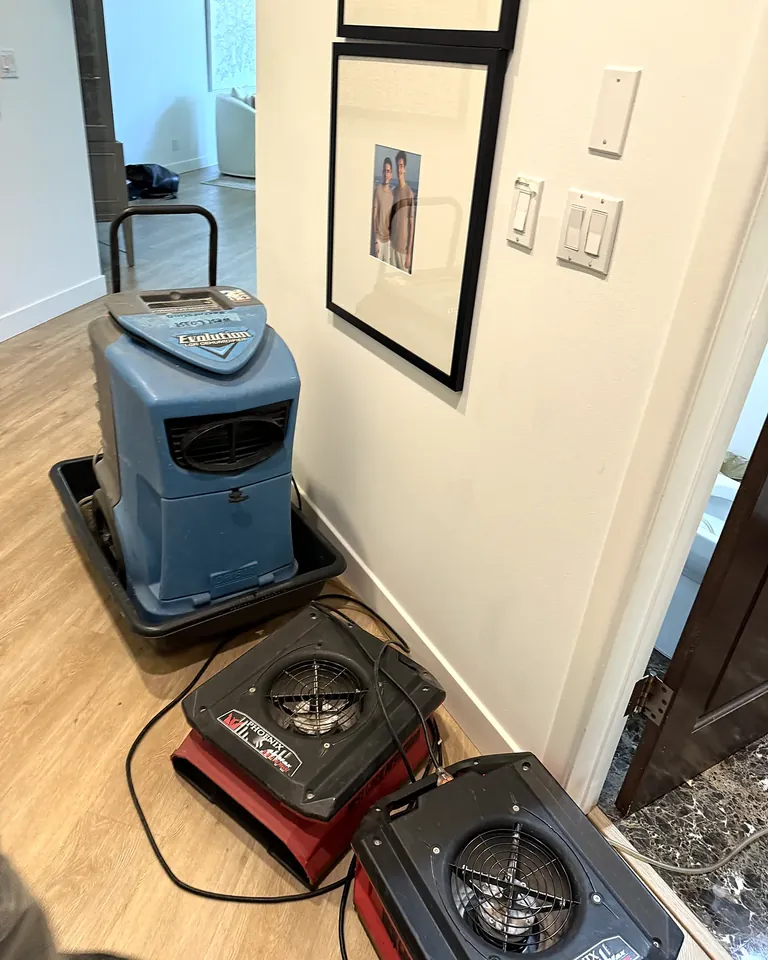
After the building is safe and entry is controlled, restoration may include extraction, evaluation of wet assemblies, selective removal, and drying checks. Repairing the roof or window and restoring the interior are related but distinct tasks.
Keep a useful record of the loss
Note when rain began entering, where it appeared, and any temporary protection or repair. Keep receipts and photographs for your records, while following insurer instructions about damaged contents. Coverage depends on the policy and the cause of loss.
Ask whether water has reached insulation or concealed spaces before replacing ceiling finishes. A drying plan should account for the actual materials and verify progress rather than rely only on a dry-looking surface.
Separate weatherproofing from interior recovery
A leak in a Santa Ana roof can travel along framing and appear beside a wall or at a ceiling seam, while rain entering a storefront door may first reach floor coverings and display stock. Have a qualified exterior professional identify the entry; do not infer the repair location from the indoor drip alone. If water is near a light or wiring, keep clear and seek appropriate help.
Once the opening is secured, check the materials on both sides of the visible mark. Insulation, ceiling board, upper wall corners, and floor underlayment may hold moisture even after the surface stops dripping. Any selective opening should be planned around occupant safety and the possibility that an insurer or owner needs to inspect the area.
Keep the roofing or window repair record separate from the drying notes and make a timeline of rain entry. For rentals and multifamily buildings, notify management if a common roof or shared corridor may be involved. Before repainting or installing new ceiling board, ask how drying progress will be confirmed.
Make a weather entry timeline
For a Santa Ana roof leak, record whether water appeared during wind-driven rain or continued afterward; for a doorway, note where runoff crossed the threshold. The history helps an exterior professional inspect the relevant details without assuming a single cause.
If a property manager handles common roofing, send a written notice and identify affected rooms. Keep temporary protection and interior drying records separate so further weather exposure can be distinguished from the original wet materials.
Santa Ana questions
Can Santa Ana rainwater reach a room away from the roof leak?
Yes. Water may travel along framing and appear at another point; inspect the path rather than relying on the drip location.
Should I climb up to cover a storm-damaged roof?
No. Wet or damaged roofs are hazardous; use qualified help to secure the exterior.
Is runoff entering my home clean water?
Do not assume so. The source and contact surfaces determine how it should be handled.
Do I need a roofer as well as restoration?
Often, yes. Exterior repair stops entry; restoration addresses interior materials already affected.
Need help with property damage?
Tell us what happened in Santa Ana and whether the water source is still active. For emergencies, call rather than waiting on email.
(800) 880-1425