Keep contaminated areas isolated
In a Santa Ana apartment or older house, wastewater may spread under baseboards, into adjoining rooms, or through a shared plumbing system. Do not track it through hallways or use household fans over the affected area. Let building management know if other units or common drains may be involved.
A plumber may need to stop the backup before cleanup can proceed. Avoid mixing cleaners or touching wastewater without suitable protection; leave the space if there are electrical hazards or extensive contamination.
Cleanup depends on materials and extent
A restoration assessment considers where the sewage traveled and which materials it contacted. Work may require isolation, removal of contaminated porous materials, cleaning and disinfection of salvageable surfaces, and drying after contamination is controlled. Wiping the visible floor alone may leave affected material beneath fixtures or at a doorway.
Older floor assemblies and concealed cavities can complicate access. The plan should explain what will be removed, what can be cleaned, and how the boundary between affected and unaffected areas will be handled.
Restore use only after cleanup
For a rental, condo, or commercial restroom, coordinate access and notifications with the responsible manager. Record the time and apparent source and photograph conditions only from a safe location. Flood-Pro can describe restoration work for an insurance conversation; policy decisions remain with the carrier.
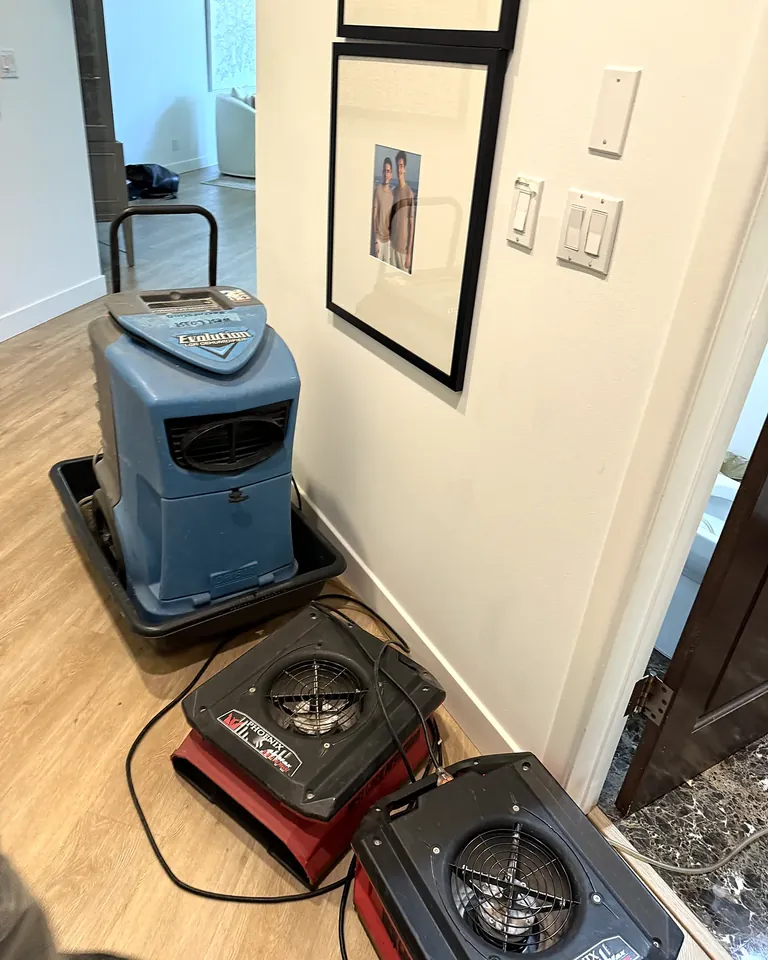
Drying equipment is useful only after contamination has been addressed. Ask what needs to happen before residents or staff can safely use the area again, and confirm the drain issue has been corrected separately from the cleanup.
Protect the route between affected and clean areas
In a Santa Ana apartment, people may need to cross a shared hallway to reach an exit or another bathroom. Establish a route that avoids wastewater and do not carry wet carpet, cleaning tools, or bags through clean rooms without suitable containment. Notify management when a common drain or a neighboring unit may be implicated, and keep children and pets away from the work zone.
A careful scope checks more than the toilet footprint: lower cabinet edges, doorway transitions, carpet padding, and adjacent wallboard can all be exposed. Porous materials contacted by sewage may need removal rather than surface treatment. A plumber should document the drain correction separately, since restoration cannot prevent another release from an unresolved blockage.
After cleanup, ask what surfaces were cleaned and disinfected, what materials were removed, and what drying remains. Keep those notes with the plumbing service record and photographs taken safely. Reopening a tenant bathroom or business restroom should follow assessment and building-management coordination, not merely the disappearance of visible water or odor.
Confirm drain repair and cleaning boundaries
In a Santa Ana rental or business, identify who will confirm that a shared drain has been cleared before toilets or floor drains return to use. Keep a separate boundary between the affected bathroom and any clean route used by residents.
Ask for an explanation of porous materials removed, hard surfaces treated, and any remaining drying. A fresh mop or deodorizer does not establish that water beneath a vanity or at the doorway was addressed.
Santa Ana questions
Can I use a fan after a Santa Ana drain backup?
Avoid it until contamination is controlled; airflow can spread material from an affected area.
Does every sewage backup require carpet removal?
Not every room is the same, but porous materials exposed to sewage may need removal after assessment.
Should I tell my apartment manager?
Yes, especially if a shared drain, another unit, or common hallway could be affected.
Will surface disinfectant solve a toilet overflow?
Not if wastewater reached porous materials or hidden areas. The affected scope needs to be assessed and cleaned appropriately.
Need help with property damage?
Tell us what happened in Santa Ana and whether the water source is still active. For emergencies, call rather than waiting on email.
(800) 880-1425