Keep wastewater out of occupied areas
A backup may move from a bathroom into a closet, hallway, or adjoining tenant space. In older Orange buildings, floor transitions and wall bases can make the edge of visible water an unreliable boundary. Do not carry wet items through clean rooms or shared corridors without a containment plan.
Avoid bare contact and do not mix cleaning products. A plumber should address the drain or sewer source; cleanup can then assess contaminated surfaces and materials.
Assess porous finishes and hidden edges
The response depends on how far sewage traveled and what absorbed it. Porous carpet, padding, or drywall may need removal, while other surfaces may be cleaned and disinfected as appropriate. Drying is considered after contamination has been controlled, not as a substitute for cleanup.
Older trim and plaster need a material-specific evaluation. Do not scrub broadly or open a wall until the affected area and safe work method are understood.
Notify the responsible people
Tell the building owner, tenant manager, or other responsible contact if adjoining businesses or residences could be affected. Keep occupants away until the area has been assessed, record when the backup occurred, and retain drain-repair information. An insurer—not a restoration contractor—makes coverage decisions.
Contain the work and plan for reoccupation
Before cleanup in an Orange rental or shop, identify a route that avoids carrying contaminated material through a clean hallway or past customers. Keep the affected restroom or room closed and tell the owner which fixtures should not be used until the drain has been addressed. If the building has shared plumbing, the manager can coordinate access for a plumber without sending residents into the affected area.
Material decisions depend on the wastewater path, not simply how old the finish looks. Porous carpet, underlay, paper-faced drywall, and stored cartons can absorb contamination differently from a hard, intact surface. The cleanup scope should state what is removed, what is cleaned in place, and how debris is contained; do not mix bleach or other household chemicals in an attempt to speed the work.
After cleaning, drying is considered for retained building materials, with attention to concealed wall bases and adjoining rooms. Photograph the area only from a safe position before work, note the time the backup began, and keep the drain repair record. If several tenants share the space, a clear manager update helps avoid premature reentry while the work is underway.
Keep a clean path for tenants and trades
In an Orange multi-tenant building, agree with the owner on where tools, removed materials, and clean supplies can be staged without blocking an exit or crossing a public corridor. Keep the affected bathroom closed until the drain is repaired and the cleanup area is released. Record who was notified and when, particularly if a shared line or neighboring unit contributed to the event.
Before restoring normal use, confirm that the plumber has addressed the backup and that the restoration team has handled affected surfaces and porous items. A dry threshold does not confirm that a connected wall base is clean. Give tenants a direct update about which rooms remain off limits and where to report any additional seepage.
Orange questions
Can Orange residents clean wastewater with bleach alone?
No. Product use does not replace appropriate removal, cleaning, disinfection, and drying. Never mix cleaners or handle wastewater barehanded.
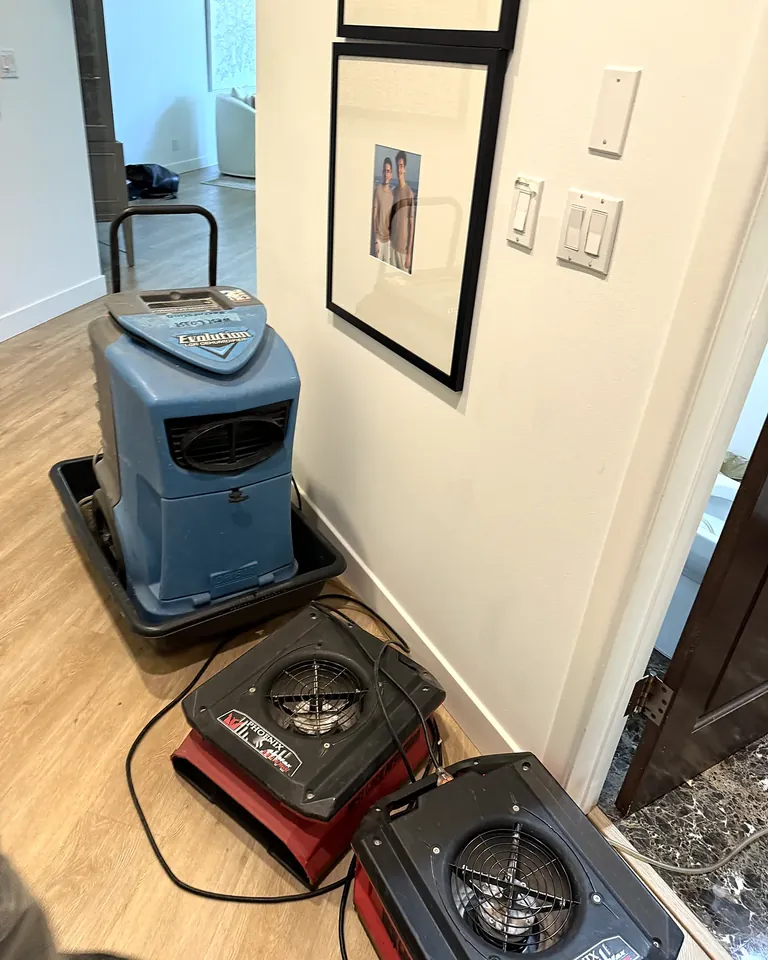
Should I run a fan after a drain backup in Orange?
Avoid air movement over contaminated water until it has been assessed and controlled. Keep the room closed to occupants meanwhile.
Does sewage-soaked carpet in Orange need to come out?
Porous carpet and padding may not be reliably cleanable after wastewater exposure; assess the materials. The water's route and contact time matter.
Who should a shop tenant in Orange notify?
Contact the property manager or owner and keep staff away from the affected area while the source and cleanup are addressed. Mention any shared restroom or drain.
Need help with property damage?
Tell us what happened in Orange and whether the water source is still active. For emergencies, call rather than waiting on email.
(800) 880-1425